As for algorithm, I made something like this in SigmaStudio. I want to know if anyone could provide some valid criticism, help or advice. Stitching it properly took me a moment.

Interesting, I’d like to hear about the lithography too.
OK, here are links to animated simulations on YT (gonna edit this when I make more simulations):
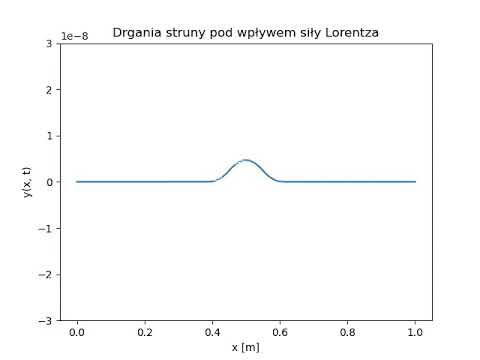
OK, here’s the new update:
Over the summer, I’m gonna try repurposing this old zither I bought some time ago as the first polyphonic version of my instrument – cleaning, attaching magnet racks, electronics chassis, tuning and connecting strings to power amplifiers’ outputs, etc. – of course as safely and secured as possible, like add some transparent shield that doesn’t dampen sound too much, etc. Anyway, I’ll need help with that, since currently I lack woodworking and other manual, craft-related skills. But I know people IRL who can help me with that and teach me, so it’s not really a problem.

.
.
.
.
Next big question is, maybe I should use this STM32’s DSP board instead of ADAU1467, at least at current moment? I may replace it later with ADAU1467-based board, since currently used ADAU1701 is unable to reach polyphony (not enough memory for such program), while STM32F407 seems like good trade-off between price, processing power and versatility (CubeIDE is more „direct” than SigmaStudio, after all). Or maybe even better approach is to try making main board PCB with both ADAU1467 and STM32F407, which would somehow cooperate in that synthesis engine?


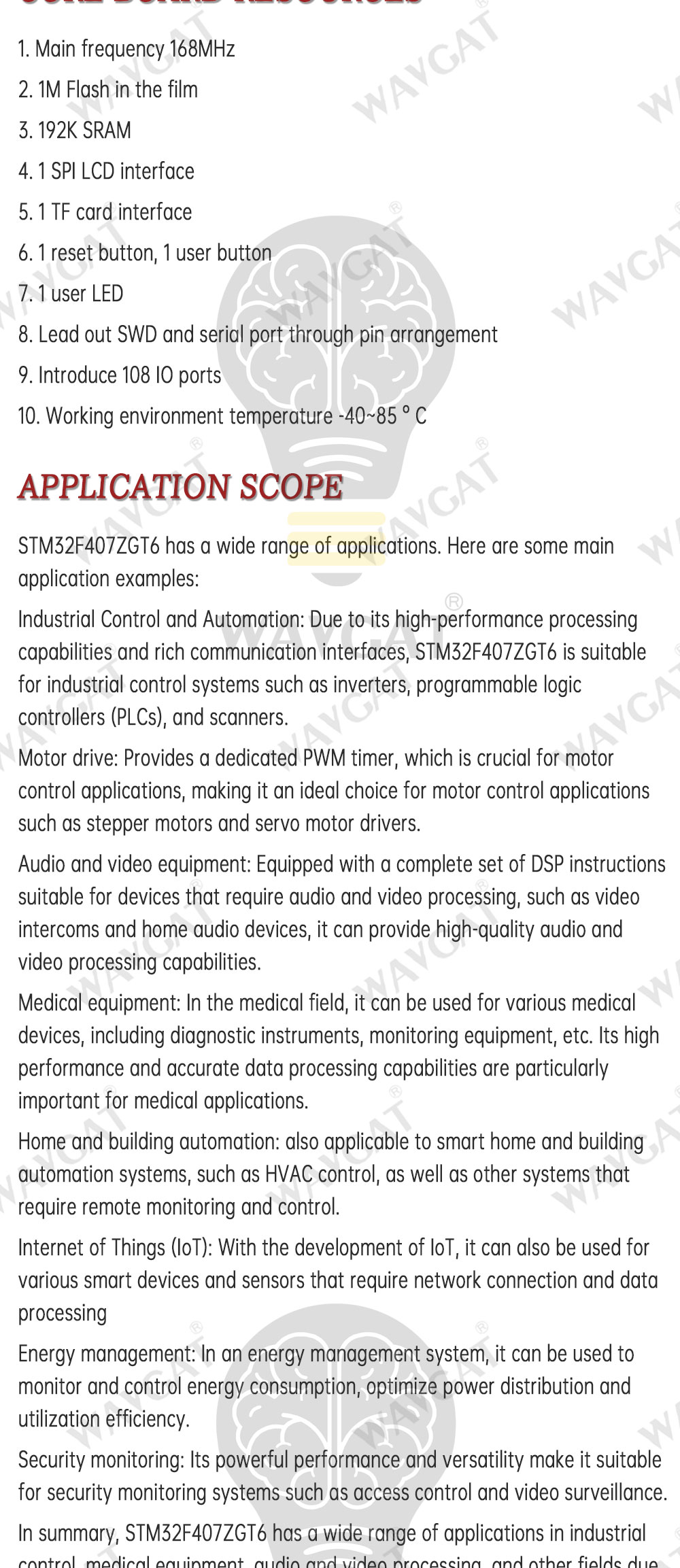
BTW pics are reference only, I have no clue if that seller is reliable, but since AliExpress recommended this board to me, I decided to at least check it’s possibilities and such.
I’ve not used the STM boards much as I often find that an esp32 or Teensy board more straightforward to build and troubleshoot.
1 Like
Also, isn’t ESP32 better for WiFi and Bluetooth-related functionality etc.?
Because that’d make updating ADAU’s algorithms easier this way.
The esp32s do have wireless functionality but they are also fast and most modules have a useable DAC. I have played a lot with the ESP32 audio kit, a £4 ESP development board dedicated to music making.
Adding additional memory to an ESP32 project is a remarkably straightforward process also.
Did I mention they are cheap?
BLE and ‘ESP now’ (a much faster wireless protocol) make updating, data transfer and debugging easier. (for me that is, anyone else feel the deafening hubris in that last sentence?)